iSIMANGALISO WETLAND PARK
St Lucia is a small town at the heart of South Africa’s first UNESCO World Heritage Site.


ST LUCIA
The iSimangaliso Wetland Park consists of 8 interlinking eco-systems, 25 000 year old coastal forests and 220km of coastline and beaches.
With a unique mosaic of ecosystems – swamps, lakes, beaches, coral reefs, wetlands, woodlands, coastal forests and grasslands, the area supports an astounding diversity of animal, bird and marine life.
ST LUCIA
The iSimangaliso Wetland Park consists of 8 interlinking eco-systems, 25 000 year old coastal forests and 220km of coastline and beaches.
With a unique mosaic of ecosystems – swamps, lakes, beaches, coral reefs, wetlands, woodlands, coastal forests and grasslands, the area supports an astounding diversity of animal, bird and marine life.

1200 NILE CROCODILES & 800 HIPPOPOTAMI
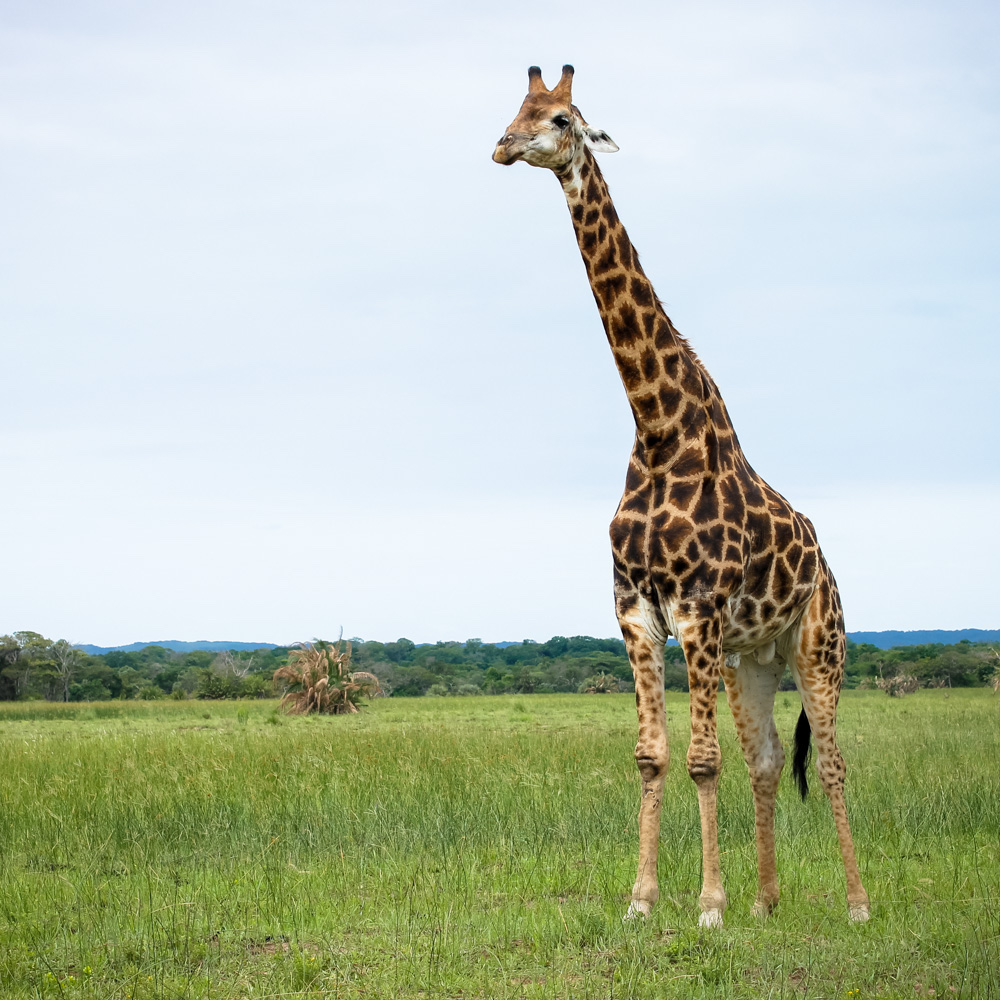
Wildlife that occur in the iSimangaliso Wetland Park include elephant, leopard, black rhino, white rhino, buffalo, giraffe, waterbuck, kudu, and hyena to name a few.
The St Lucia estuarine system comprises of 50% of the total estuarine area of South Africa and thus a wide range of habitats for marine species and freshwater species are present. Marine life include whales, dolphins, leatherback turtles, loggerhead turtles and an extensive variety of fish, which makes St Lucia a popular fishing destination.
Many wild animals are frequent visitors to the town. Visitors include Hippos, Leopards, Hyenas, Monkeys and Baboons.
With over 520 bird species recorded in iSimangaliso Wetland Park, the area is a perfect bird watching destination. Lake St Lucia is one of the most important breeding areas for waterbirds in South Africa and one of the main features of Lake St Lucia.


734 GENERA & 2180 RECORDED PLANT SPECIES
Indigenous trees found in the area include Dune Sweet Thorn, White-milkwood, Coast Strelitzia, Buffalo-thorn, Dune Myrtle, Bush Tick-berry, Dune Star-apple, Coast Red-milkwood, Cape-ash and Thorny-rope Flat-bean to name a few.
The area provides the ideal habitat for mangrove trees of which 6 species have been recorded. These are the White mangrove, Black mangrove, Red mangrove, Eastern mangrove, Kosi mangrove and Cannonball mangrove.
734 GENERA & 2180 RECORDED PLANT SPECIES
Indigenous trees found in the area include Dune Sweet Thorn, White-milkwood, Coast Strelitzia, Buffalo-thorn, Dune Myrtle, Bush Tick-berry, Dune Star-apple, Coast Red-milkwood, Cape-ash and Thorny-rope Flat-bean to name a few.
The area provides the ideal habitat for mangrove trees of which 6 species have been recorded. These are the White mangrove, Black mangrove, Red mangrove, Eastern mangrove, Kosi mangrove and Cannonball mangrove.

RICH HISTORICAL CONTEXT
“iSimangaliso” meaning “miracles” derives from a rich historical context.
Named after the historical fable of “Ujeqe”. Ujeqe is the keeper of a Zulu King’s secrets and has to be buried with the King when he dies.
When King Shaka died, his Ujeke fled to Tongaland. Upon his return he said: “I saw wonders and miracles in the flat land and lakes of Thonga”.
From that follows an isiZulu saying that if you have seen miracles, you have seen what uJeqe saw.